


Seven Types Of Ambiguity
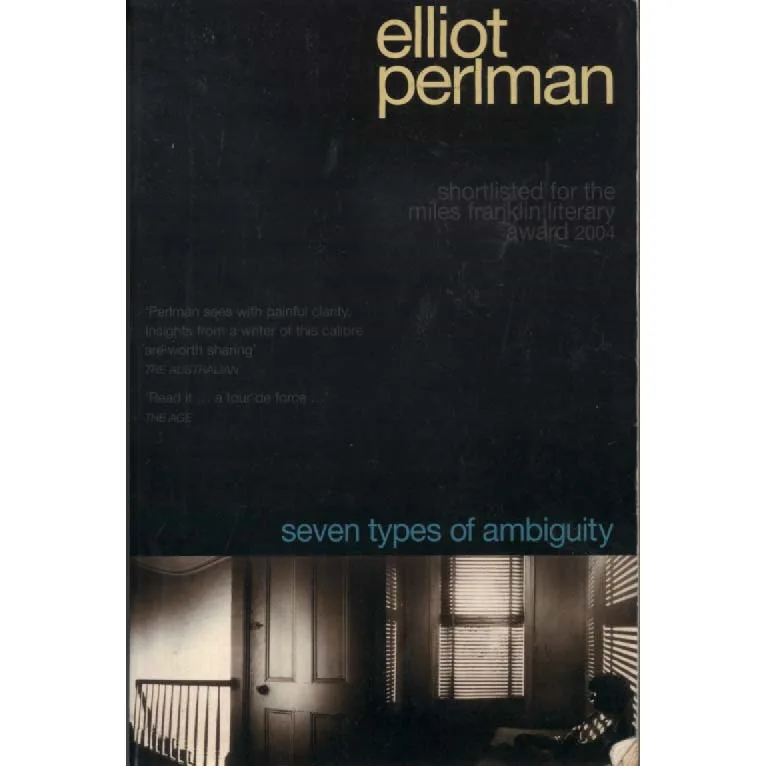
Publisher: Picador
Format: Paperback
ISBN: 0330364944
In a world where clarity is often prized above all else—think of it as the cultural equivalent of a well-groomed hedge—Elliot Perlman boldly sails the turbulent seas of confusion with his 2004 magnum opus, "Seven Types of Ambiguity." Published by Picador (we imagine the publisher flipping through the pages with a bemused expression), this book presents itself as a labyrinthine exploration of the many shades of uncertainty. The only thing less clear than the narrative is how many cups of coffee Perlman must have consumed to concoct this delightful brain-teaser.
Perlman’s approach to ambiguity is something akin to a buffet where each dish is indiscernibly similar yet provokes a different kind of indigestion. Readers are invited to contemplate profound questions while simultaneously wondering if they’ve accidentally picked up a menu instead of a novel. One can only assume that Perlman had a vendetta against straightforward storytelling, deciding instead to construct a narrative that requires not just reading, but a PhD in deciphering literary enigmas. Perhaps he was channeling the spirit of a well-meaning yet perplexing uncle who insists on asking riddles at dinner parties.
What does it mean to be ambiguous? It’s like asking what it means to wear socks with sandals: everyone has an opinion, but no one seems to agree. This book presents a smorgasbord of ambiguity types, each more tantalisingly vague than the last. Is it a metaphor for life, or perhaps a cheeky jab at our incessant need for definition? Readers are left to ponder whether they are indeed reading a novel or participating in a form of avant-garde performance art. Is it possible that "Seven Types of Ambiguity" is just a long-winded way of saying, “I have no idea”? Only the author and the spirits of literary critics past truly know.
As you flip through the pages of this literary conundrum, expect to encounter a cavalcade of characters whose intentions are as clear as mud. Each archetype dances merrily through a narrative fog, complicating and contradicting each other with all the grace of a three-legged elephant. Amidst this jumble of identities, you might find yourself questioning not just the characters’ motivations, but your own choices in picking up such a book in the first place. Who needs straightforward narratives when you can enjoy a carnival of confusion?
Condition: Good. This particular copy has seen some wear, likely from being passed around at dinner parties where one family member insists on discussing the book’s themes in excruciating detail while others quietly sip their wine, wishing for a more straightforward thriller. Its pages may bear the marks of furtive underlining, as if someone in a fit of existential dread was trying to find meaning within the ambiguity. The cover is intact, though perhaps a tad dog-eared—much like one’s own sanity after wrestling with the philosophical implications nestled within.
Now, what about the bonuses? This book comes complete with the delightful ambiguity of used book sales: dog-eared pages, the faint scent of old coffee, and the nagging feeling that you’ve been here before. These layers of character add to its charm, transforming the reading experience into an unpredictable affair. It could be a quiet afternoon with a cup of tea or an existential crisis waiting to happen. But that’s the joy of "Seven Types of Ambiguity": you never quite know what you’re going to get, much like a surprise family reunion.
If you’re in the market for a book that evokes the delightful frustration of questioning your life choices while simultaneously trying to decipher the meaning of life itself, look no further. Come find your new favourite conversational piece at Crappy Old Books, where even the titles promise more questions than answers. Perhaps you’ll leave with not just a book, but a new perspective on ambiguity—and maybe a little more perplexed than when you started.
Keep browsing: See more Crafts books Other books by Elliot Perlman
